


Investing in an Electric Resistance Welding (ERW) pipe mill is a significant decision for any manufacturer. With numerous options and technical specifications on the market, choosing the right equipment can be daunting. A wrong choice can lead to low efficiency, high maintenance costs, and an inability to meet market demands.
At ZTZG, we believe an informed customer is our best partner. This guide outlines the five most critical factors you must evaluate to select the perfect ERW pipe mill for your production needs.
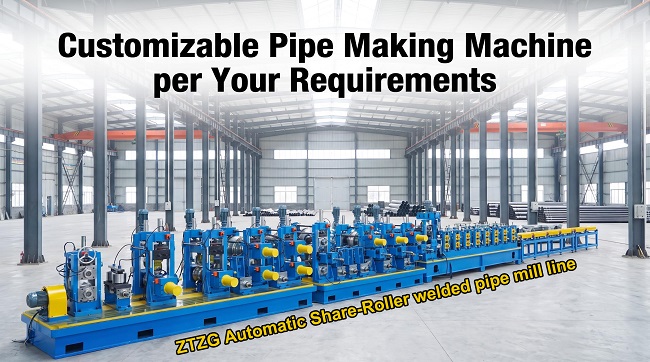
1 Define Your Product Range: Size, Shape, and Wall Thickness
The first step is to have a crystal-clear definition of the pipes you intend to produce. The mill must be configured to handle your specific requirements.
Outer Diameter (OD) Range Determine the minimum and maximum pipe diameters you need. Ensure the mill you choose can comfortably cover this entire range.
Wall Thickness Different mills are designed for different thickness capabilities. Be sure to specify the thickest and thinnest walls you plan to roll.
Pipe Shape Do you need to produce round pipes, square/rectangular tubes, or both? Some mills are specialized for round-to-round production, while others, like our XZTF (Round-to-Square) shared-roller mills, are designed for maximum versatility, allowing you to produce both round and shaped tubes with the same set of rollers.
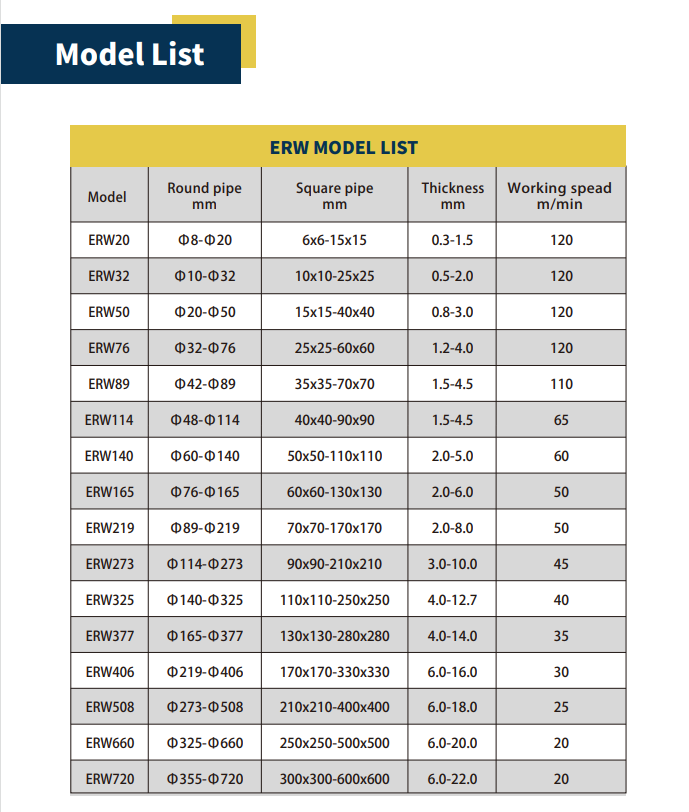
2 Calculate Your Required Production Capacity
Your target output will dictate the speed and level of automation required for your production line.
Line Speed High-frequency mills can operate at varying speeds. If you aim for high-volume production, you’ll need a line designed for stability at higher speeds.
Coil Weight Heavier raw material coils mean fewer stops for coil changes and higher overall efficiency. Ensure the uncoiler and other auxiliary equipment can handle the coil weights you plan to use.
Automation Level For maximum capacity, look for a fully automated line. Features like an automatic loop accumulator allow the main mill to run continuously while new coils are being prepared, eliminating downtime.
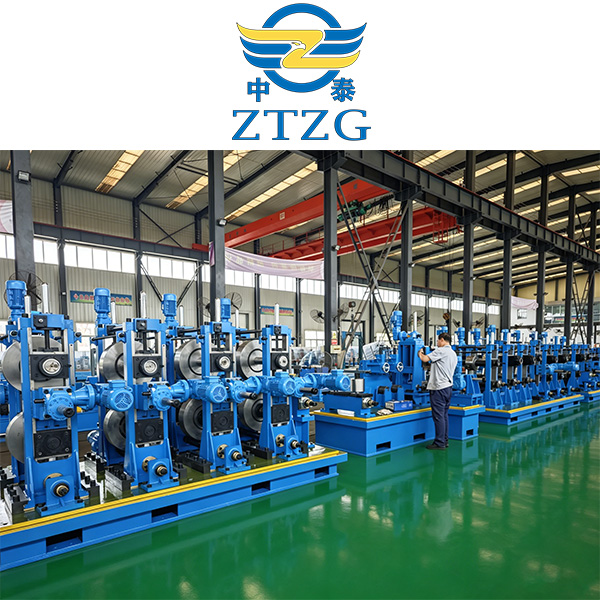
3 Evaluate the Forming Technology: Flexibility is Key
The forming technology is the heart of the mill and has a massive impact on your operational costs, especially when changing production specifications.
Traditional Mills Often require a complete roller changeover to switch between different pipe sizes. This is a time-consuming and labor-intensive process that halts production for hours or even days.
ZTZG’s Advanced Technology We offer mills with ZTF (Flexible Forming) technology. This innovative system allows for rapid size changes without changing the rollers. The adjustments are made digitally through the control system, reducing changeover time from hours to minutes. This flexibility is a game-changer for manufacturers who need to handle diverse, smaller-batch orders efficiently.
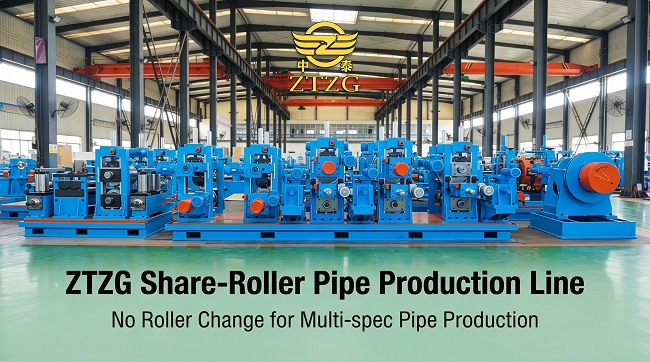
4 Scrutinize the Quality of Key Components
The longevity and reliability of your mill depend on the quality of its core components. Don’t just look at the price; look at the build.
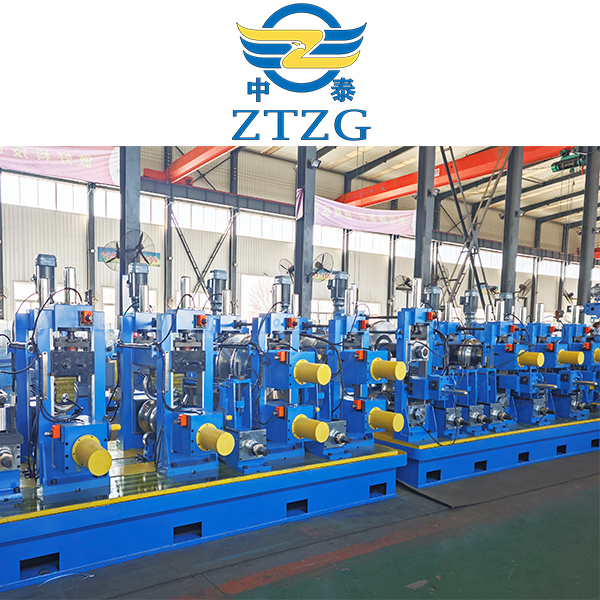
The Frame and Shafts A robust, heavy-duty frame and large-diameter shafts ensure stability and precision, especially when forming thick-walled pipes. This reduces vibration and wear over time.
The Rollers High-quality rollers made from durable alloy steel and precision-ground are essential for producing pipes with a smooth surface and accurate dimensions.
The HF Welder The welding process is critical. A stable, solid-state high-frequency welder ensures a strong, consistent, and clean weld seam, which is the most important aspect of a welded pipe’s integrity.
The Control System A modern PLC (Programmable Logic Controller) system provides precise control over the entire line, ensuring synchronized operation and making the mill easier to operate.
5 Consider the Manufacturer’s Expertise and Support
You’re not just buying a machine; you’re entering a long-term partnership. The right manufacturer will be there for you long after the installation.
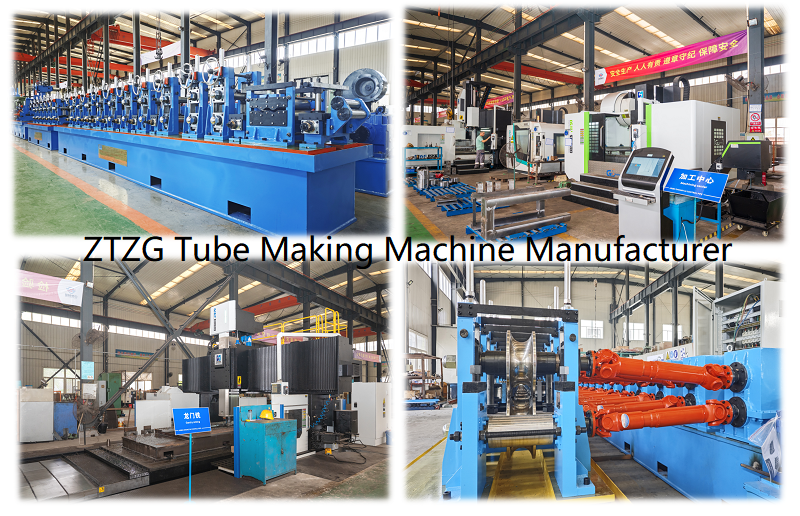
Experience Choose a manufacturer with a proven track record. ZTZG has been a leader in the industry since 2000, with extensive experience in designing and building mills for a wide range of applications, including API 5L/5CT standard pipes.
After-Sales Service Inquire about their installation, commissioning, and training services. Do they provide on-site support? What is their policy on spare parts? A reliable partner ensures your production line has minimal downtime.
Customization Every factory is different. A good manufacturer will work with you to customize the layout and configuration of the line to fit your specific facility and production goals.
Conclusion
Choosing the right ERW pipe mill is a strategic decision that will impact your business for years to come. By carefully evaluating your product needs, capacity goals, the flexibility of the technology, the quality of the components, and the reliability of the manufacturer, you can make an investment that drives growth and profitability.
Ready to discuss your specific production needs?
Contact the experts at ZTZG today.
We’ll help you design a pipe mill solution that is perfectly tailored to your business.
Post time: Aug-02-2024


