


Strategy 1: Shift from Reactive to Predictive Maintenance
ZTZG’s Engineering Solution:
- AI-Powered IoT Monitoring: Our mills integrate vibration sensors, thermal cameras, and load-cell analytics to track spindle health, gear alignment, and motor stress in real time. Machine learning algorithms detect anomalies (e.g., bearing micro-pitting) 48+ hours before failure, slashing unplanned downtime by 65%.
- Dynamic Maintenance Scheduling: Every ZTZG mill includes a cloud-based Maintenance Planner with:
- Automated lubrication reminders (specifying ISO VG 68 hydraulic oil for gearboxes)
- Calibration protocols for edge mill sensors (accuracy tolerance: ±0.01mm)
- Wear-life dashboards showing remaining cycles for rollers, bearings, and dies.
→ See how our Smart Monitoring System prevents $220k/hour downtime.
Strategy 2: Eliminate Human Error with Intelligent Operation
-
ZTZG’s Technical Edge:
One-Touch Parameter Library: Instantly recall 300+ pre-validated tube profiles (diameter: 15–508mm; wall thickness: 0.5–12mm). The HMI auto-adjusts roll gaps, weld currents, and sizing pressure—eliminating manual tuning errors that crack tooling.Shared-Roller Technology: Our patented XZTF Round-to-Square Conversion System switches tube shapes in ≤15 minutes without disassembly. This reduces:- Mechanical stress on stands by 82%
- Roll reconfiguration errors by 95%
- Annual maintenance labor by 340+ hours.
→ Discover how Shared-Roller Mills cut changeover costs.
Strategy 3: Design-Centric Environmental Control
Debris and moisture cause 44% of hydraulic failures (SMS Group Study).
How ZTZG Mills Resist Degradation:
- Full-Enclosure Guarding: Sealed housings block scale, coolant mist, and dust from gearboxes/sensors.
- Tool-Free Cleaning Access: Removable panels and sloped surfaces enable 10-minute cleanup (vs. industry-standard 45+ minutes).
- Annual Deep-Service Protocol: Includes magnetic particle inspection of shafts and full hydraulic fluid replacement—performed by ZTZG field engineers.
Strategy 4: Transform Operators into Technical Partners
Untrained staff cause 61% of avoidable mill damage (Tube Milling Journal, 2024).
ZTZG’s Certified Training Program:
- VR Simulations: Practice troubleshooting roll misalignment or weld instability in risk-free virtual environments.
- On-Site Mastery Certification: 5-day intensive covering:
- Tooling geometry optimization
- IoT alert response protocols
- Precision calibration of sizing units.
- 24/7 Remote Expert Support: Our engineers access your mill’s live data (with permission) to diagnose issues in <15 minutes.
Strategy 5: Design-Centric Environmental Control
Debris and moisture cause 44% of hydraulic failures (SMS Group Study).
How ZTZG Mills Resist Degradation:
- Full-Enclosure Guarding: Sealed housings block scale, coolant mist, and dust from gearboxes/sensors.
- Tool-Free Cleaning Access: Removable panels and sloped surfaces enable 10-minute cleanup (vs. industry-standard 45+ minutes).
- Annual Deep-Service Protocol: Includes magnetic particle inspection of shafts and full hydraulic fluid replacement—performed by ZTZG field engineers.
Strategy 5: Deploy Precision-Engineered Replacement Parts
Aftermarket parts degrade mill accuracy within 6 months. OEM specs matter.
Why ZTZG Components Outperform:
| Component | ZTZG Specification | Industry Standard | Impact |
|---|---|---|---|
| Forming Rollers | 42CrMo alloy + HRC 58–62 hard chrome plating | C45 steel + HRC 45–50 | 3.2× longer life; ±0.05mm roundness tolerance |
| Drive Gears | German-ground (DIN 5 accuracy); backlash ≤0.02mm | Module-cut (DIN 8) | 50% lower vibration; 30% quieter operation |
| Sealing Kits | Ceramic-coated; IP67-rated | Nitrile rubber | Zero fluid leaks after 10,000 cycles |
| → Source certified Wear Parts with lifetime performance curves. | |||
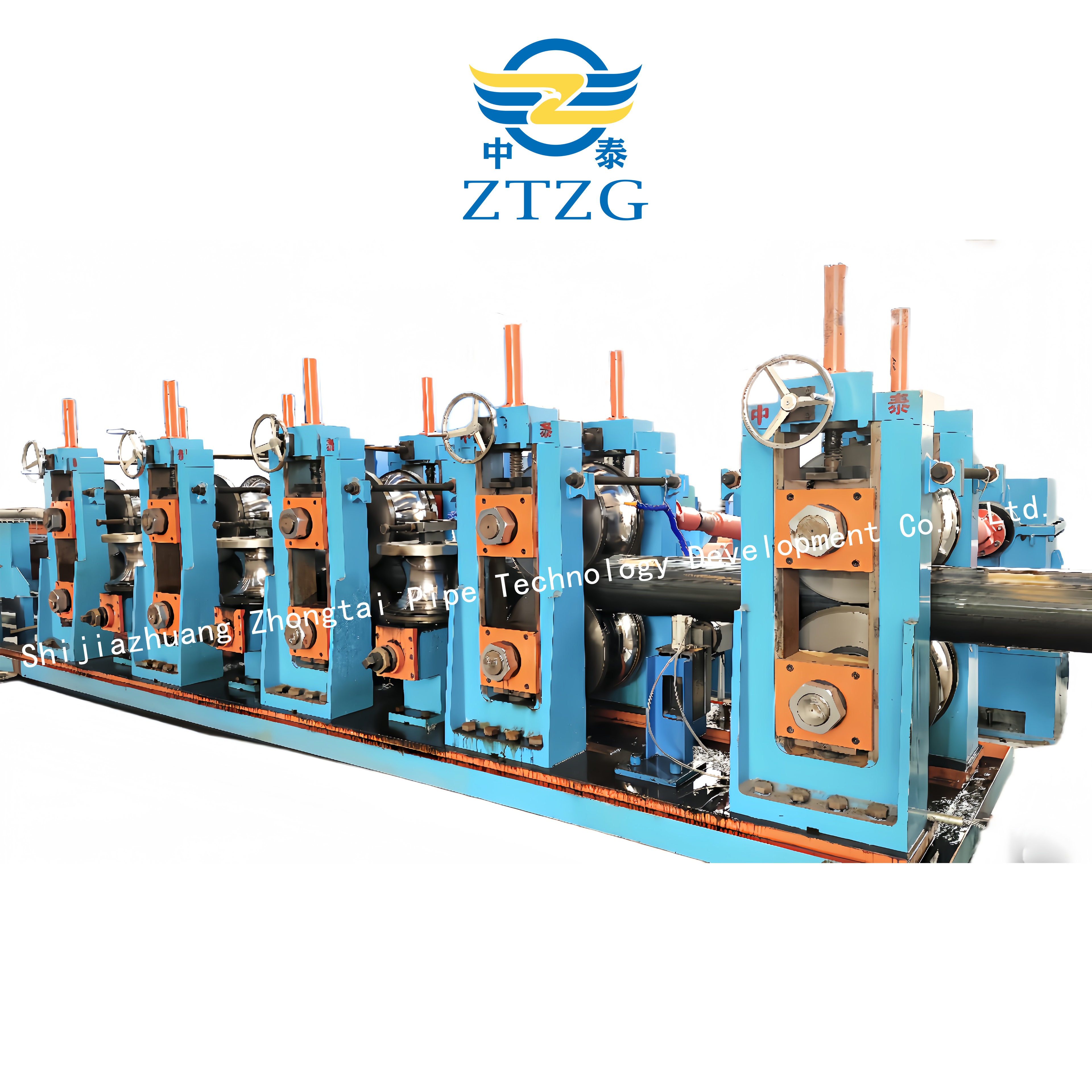
Operate machinery within designated operational parameters outlined by the manufacturer to prevent overheating, excessive wear, and component failure. Avoid overloading machinery beyond its rated capacity, as this can compromise performance and safety.
Implement scheduled downtime for thorough cleaning and inspection to remove debris and ensure optimal functioning of critical components.
Furthermore, invest in training programs for operators to enhance their understanding of machinery capabilities, troubleshooting techniques, and safety protocols.
Encourage a culture of responsibility and accountability among staff to report any anomalies promptly and adhere to operational guidelines rigorously.
Post time: Jul-31-2024


