


In the pipe manufacturing industry, pipe-making machines are core industrial equipment for achieving standardized and large-scale pipe production, widely used in numerous fields such as building water supply and drainage, oil and gas transportation, industrial fluid transmission, and municipal engineering.
This article will break down the core working principle, complete production process, mainstream equipment classification, and core technological advantages of pipe-making machines in an easy-to-understand way.
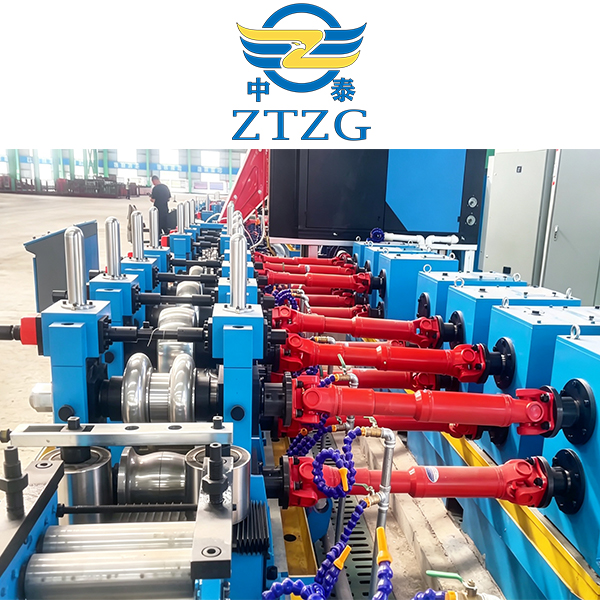
The core working logic of pipe-making machines can be summarized into four core steps: raw material shaping, closed-loop forming, precise shaping, and length-based cutting. According to preset specifications, the machine progressively processes the material into hollow, regular, and uniformly thick tubular structures. After fine calibration and cutting, finished pipes conforming to industry standards are produced.
Unlike traditional single-forming equipment, modern pipe-making machines employ a continuous, progressive forming process, abandoning one-time high-pressure forming. Through multi-station step-by-step processing, problems such as pipe cracking, deformation, and uneven wall thickness are avoided, ensuring production stability and product precision.
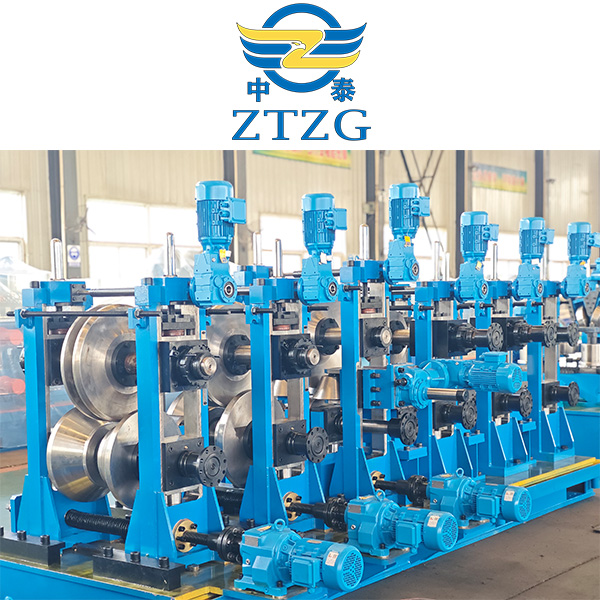
This is the most widely used tube making equipment in industrial applications, mainly used for producing stainless steel pipes, carbon steel pipes, galvanized pipes, and other metal pipes. It operates based on the core principle of progressive roll forming + high-frequency welding, with fully automated continuous operation.
The equipment uses multiple sets of precision forming rollers to form a progressive forming station, gradually bending and deforming a flat metal strip—gathering it into a circular open tube blank, ensuring precise alignment and seamless fit of the two edges of the steel strip—then, using the thermal effect generated by high-frequency current, it rapidly heats the metal at the joint of the tube blank, causing the edges to melt instantly, and then pressure is applied by extrusion rollers to close it, achieving seamless welding—finally, after shaping and straightening, the tube stress is eliminated, and the pipe diameter and roundness are standardized.
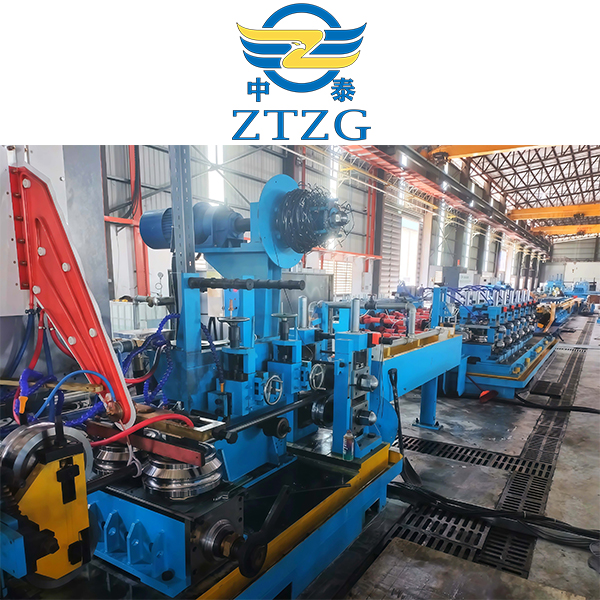
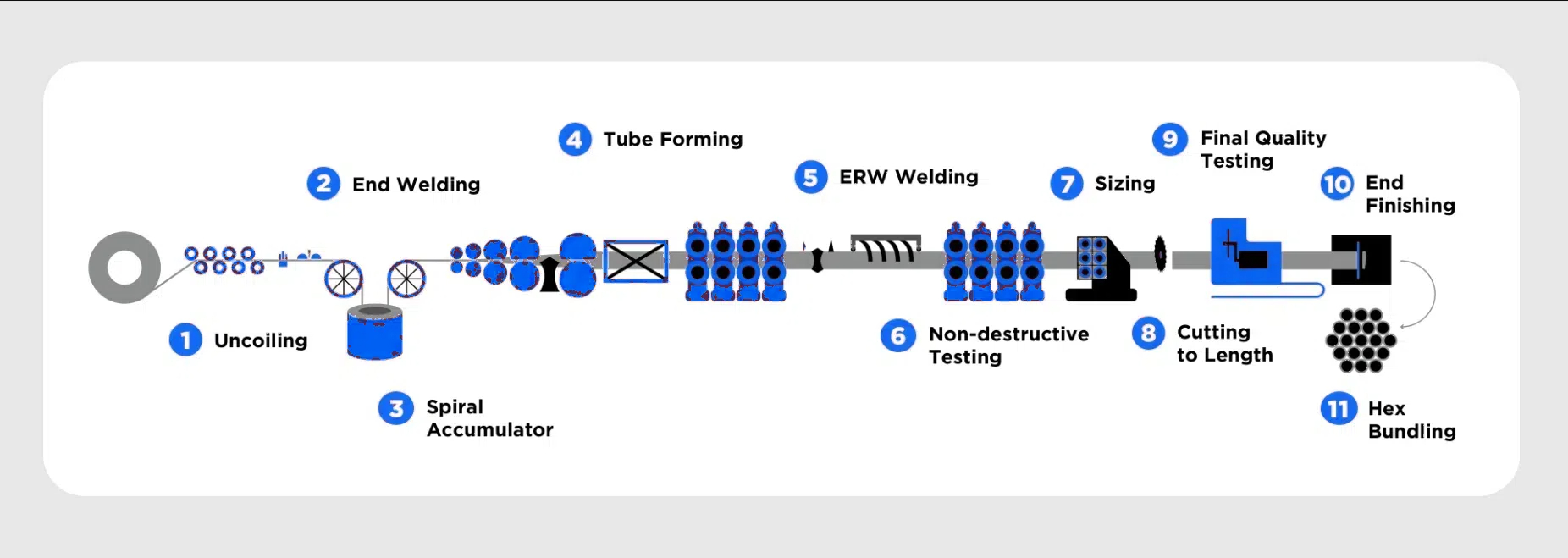
Compared to traditional manual or semi-automatic tube making equipment, fully automatic tube making machines, relying on mature working principles and intelligent control systems, have significant advantages:
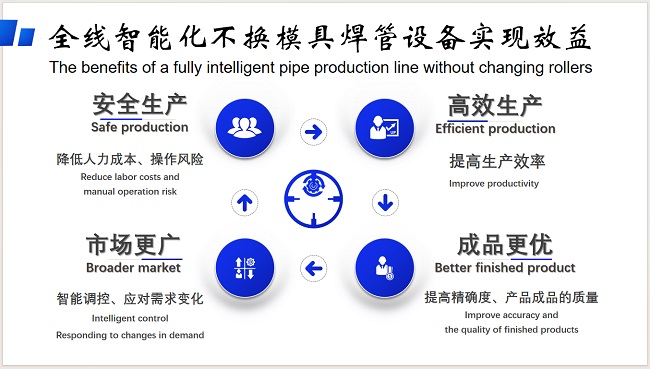
The essence of a pipe-making machine is a precise, controllable, and continuous material shaping and forming system.
With the iterative upgrading of industrial technology, modern pipe-making machines are developing towards intelligence and high precision. Through intelligent numerical control systems, production parameters are precisely controlled, further improving pipe quality and production efficiency, continuously providing core pipe production support for infrastructure, industrial manufacturing, and public works projects.
Post time: Jun-27-2024


