


The tube mill manufacturing industry is constantly evolving, and one of the most significant advancements in recent years has been the introduction of No Roller Change technology. For tube production, this means a revolutionary shift away from traditional roller-based manufacturing processes, opening up a world of possibilities for increased efficiency, reduced costs, and enhanced flexibility.
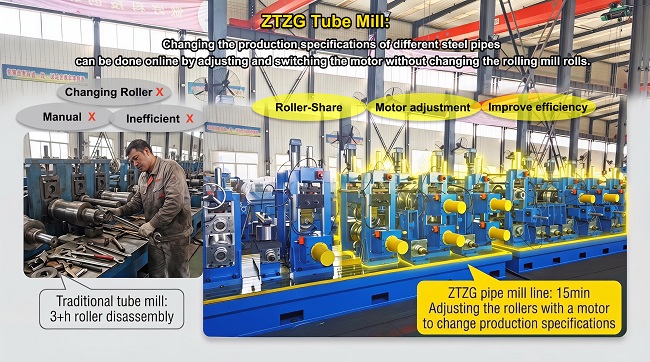
Are you currently facing challenges related to lengthy changeover times and substantial tooling costs in your tube mill operations?
If so, it’s time to explore the power of No Roller Change tube mills.
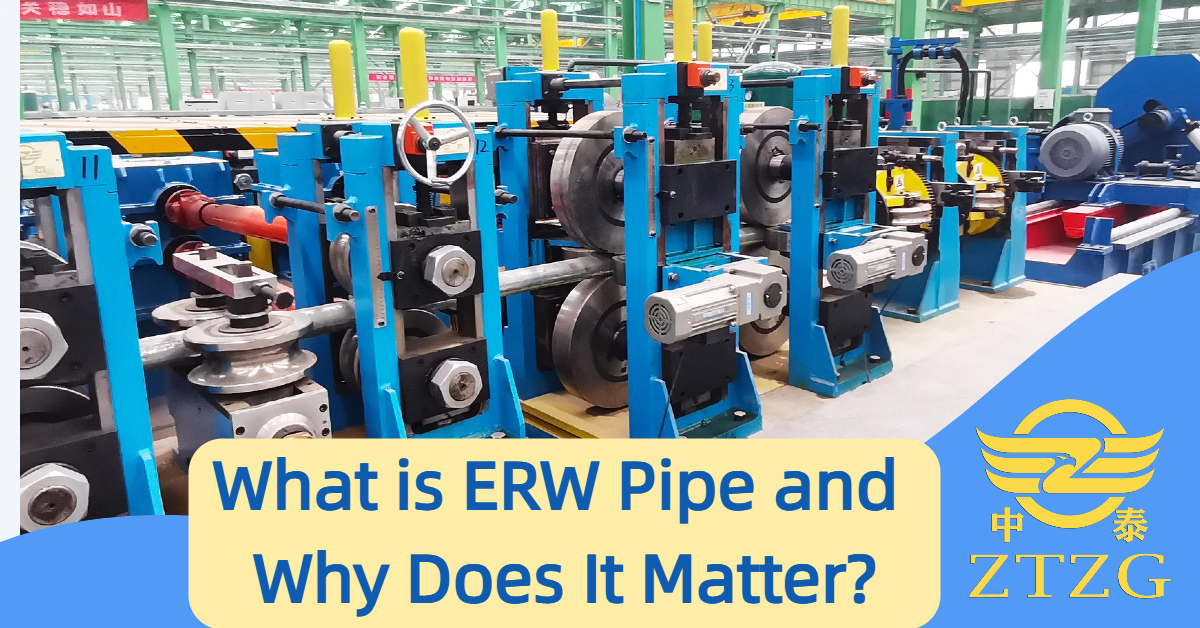
Traditional tube manufacturing relies heavily on rollers to shape and form the metal. This approach can be time-consuming, expensive, and inflexible. Each new tube size or profile requires a new set of rollers, leading to significant delays and tooling costs.
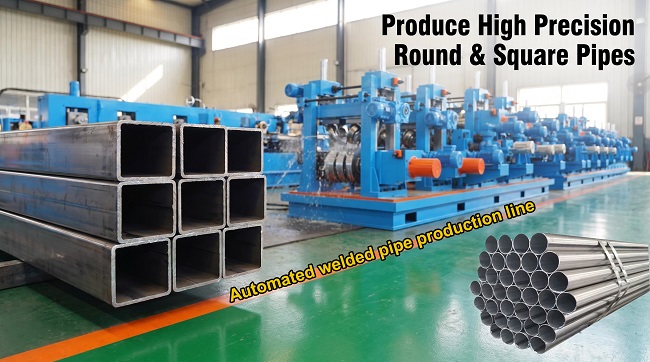
No Roller Change technology, on the other hand, eliminates the need for rollers altogether, allowing for rapid changes in product design and size. It allows flexible production for different kinds of tube mills, like ERW tube mill.
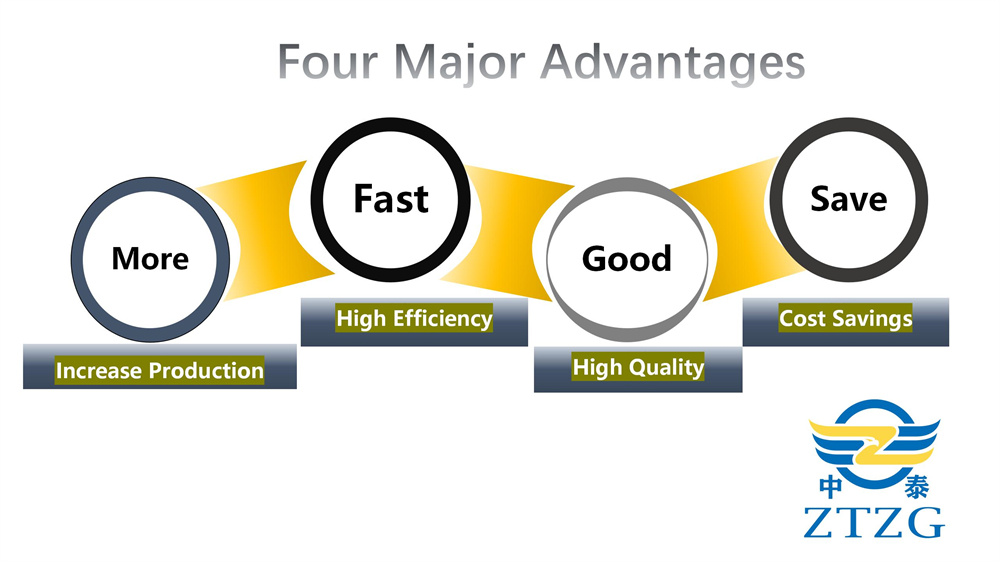
But how does it work?
No Roller Change tube mills typically utilize a combination of advanced technologies, including CNC machining, precision forming rollers, and automated control systems. These systems work in concert to shape the metal into the desired form without the need for rollers. The result is a highly efficient and flexible production process that can adapt to changing market demands with ease.
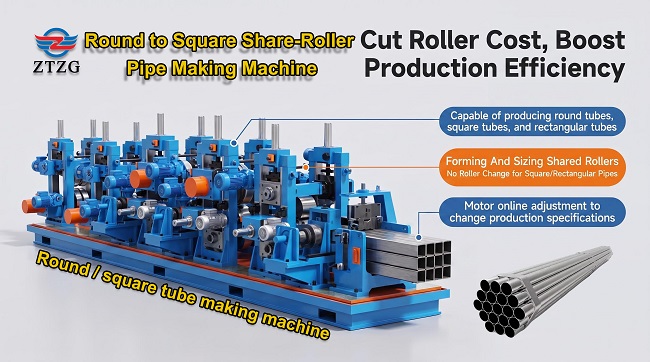
In the following articles, we’ll delve deeper into the specific benefits of No Mold Change tube mills and explore the technologies that make them possible. Stay tuned to learn how this revolutionary technology can transform your tube manufacturing operations.
If you have any questions about the tube making machine, please feel free to contact us.
E-mail:sales@ztzg.com
Phone / WhatsApp:8615931058620

Post time: Mar-05-2025


